Zepbound injection sites, without the guesswork
Tap where your last shot went and get a simple weekly rotation across the three areas the label lists.

Plan your rotation
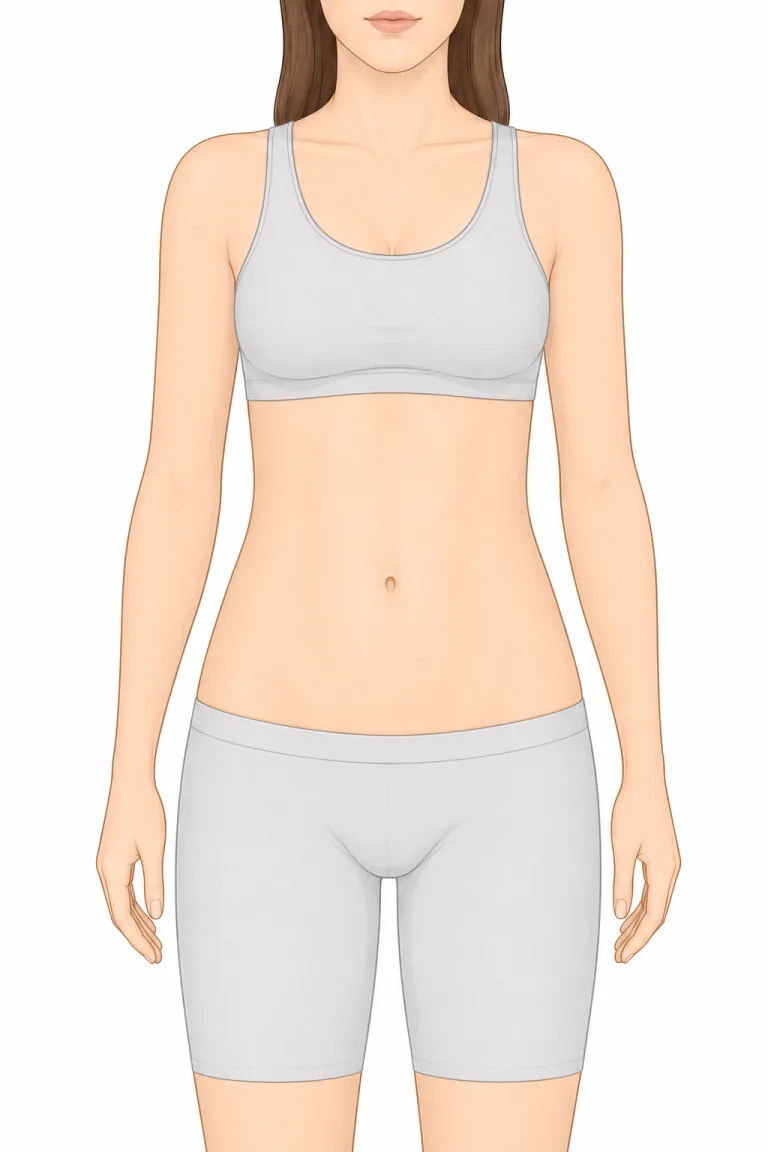
Where did your last shot go?
First shot? Choose the spot with your clinician and the Instructions for Use — then come back to plan the rotation.
Which day is shot day?
Pick your last spot and your plan appears here.
Your next eight weeks
A different area every week, alternating sides — so every spot rests for six.
Then the loop starts over. Saved on this device, so your plan is here next week.
What the Zepbound label actually says
Zepbound (tirzepatide) is a once-weekly subcutaneous injection — under the skin, not into muscle. The label names the stomach area (abdomen) and the thigh as the two you can reach yourself, and adds the back of the upper arm as a site another person should inject. MedlinePlus, the NIH’s plain-language drug reference, lists the same three areas for tirzepatide.
Why rotating matters
Zepbound’s instructions are unusually direct about this: change your injection site each week, and rotate within the area you choose, to lower the risk of lipodystrophy — pitted or thickened skin — and of lumps at the injection sites. Cleveland Clinic describes the same family of changes under the name lipohypertrophy, and gives the same prevention: a different site each time, roughly a finger width apart.
Is there an official rotation order?
The label tells you to change sites weekly but leaves the order open. This planner supplies one: three areas, two sides, six spots, taken one per week in a fixed loop — so nothing repeats until every other spot has had its turn. It’s an organizational pattern, not a clinical one. If your clinician has set you a different rotation, follow theirs.
Read the full guide: where to inject a GLP-1 →Planners for other medications
Zepbound injection sites, answered
Where do you inject Zepbound?
The label lists the stomach area (abdomen) and the thigh for a once-weekly injection under the skin, plus the back of the upper arm when another person is giving it. Which area suits you best is a conversation for your clinician.
Do you have to rotate Zepbound injection sites?
The instructions say to change the injection site each week and to rotate within the area you pick, specifically to reduce the risk of skin changes at the site. Rotation is generally recommended to protect the skin you inject into.
What is lipohypertrophy?
A lump of fatty tissue that can form under the skin after repeated injections in the same area, as Cleveland Clinic describes it. Zepbound’s own label warns about related skin changes and gives rotation as the answer.
Are Mounjaro injection sites the same?
Mounjaro and Zepbound are both tirzepatide, with the same three areas: abdomen, thigh, and the back of the upper arm for someone else to inject. The planner is identical for either — and Tonic tracks both.
Sources
- Zepbound (tirzepatide) injection — Label & Instructions for Use — FDA / DailyMed
- Tirzepatide Injection — MedlinePlus Drug Information — NIH MedlinePlus
- Lipohypertrophy — Symptoms, Causes, Treatment & Prevention — Cleveland Clinic
On Zepbound? Tonic logs each shot, remembers your rotation, and suggests the next spot when dose day comes around.
Get the app →Continue on your iPhone
Scan with your iPhone camera to get Tonic — your shots, sites, and dose-day reminders in one calm place.